
by Danielle Andrews, President & Co-Founder, The Wedding Planners Institute of |Canada Inc.
There is a phrase that gets thrown around far too often in the wedding industry: “I’m completely self-taught.”
It is usually said proudly. It is meant to communicate ambition, independence and entrepreneurial spirit. The person saying it wants you to know that no one handed them their career. They figured it out. They built their business. They made it happen. And there is absolutely something admirable about being a self-starter.
But self-taught is not the flex you think it is. Especially when you are trying to convince someone to trust you with one of the most important, expensive and emotionally significant events of their life.
And if you have taken professional training, earned a certification, attended workshops, completed courses, learned from mentors, participated in conferences or invested in continuing education, stop saying you are self-taught.
You aren’t.
You are an educated professional who used that foundation to become an entrepreneur. That is far more impressive!
Self-Starter and Self-Taught Are Not the Same Thing
Somewhere along the way, entrepreneurship became tangled up with the idea that doing everything yourself somehow makes you more successful. It doesn’t.
Being a self-starter means you took initiative. You decided you wanted a career in weddings and went after it. You started a company. You found clients. You built relationships. You developed your systems. You learned how to market yourself. You made mistakes, adapted, grew and kept going.
That is entrepreneurship.
Being self-taught means you are claiming that you did not receive formal instruction or professional training in what you do. Those are two very different things.
You can be fiercely entrepreneurial while still being educated. In fact, that combination is incredibly powerful.
Education Does Not Diminish Your Accomplishments
Why are we so eager to erase the education that helped us get where we are?
A university graduate doesn’t usually say, “I’m self-taught” because they continued learning after graduation. A chef doesn’t hide culinary school because they developed their own recipes. An accountant doesn’t pretend they figured everything out themselves because they later opened their own firm.
Education provides a foundation. What you build on top of that foundation is yours.
Your certification didn’t build your business for you. Your instructor didn’t find your clients. Your course didn’t create your reputation. Your mentor didn’t work those 16-hour wedding days.
Your education gave you knowledge, standards, terminology, processes, best practices and a place to begin. Then you did the work. There is no reason to erase one accomplishment in order to celebrate another.
Couples Aren’t Looking for the Least-Trained Person in the Room
Think about how “self-taught” sounds from the client’s perspective.
You may hear: I’m resourceful. I’m ambitious. I figured this out on my own.
But a potential client may hear: No one formally taught me how to do this.
That is not necessarily reassuring when someone is considering handing you responsibility for a wedding worth tens of thousands, or hundreds of thousands, of dollars. Couples are trusting wedding professionals with contracts, timelines, logistics, family dynamics, cultural traditions, vendor teams, budgets, guest experiences and situations that can change in seconds.
They aren’t hiring you because you managed to avoid education. They are hiring you because they believe you know what you’re doing. Education supports that trust.
Education and Experience Are Partners, Not Competitors
There is another argument we hear all the time: “Experience is more important than education.”
Why does it have to be one or the other? The strongest professionals have both.
Education teaches you principles, standards, systems and best practices. Experience teaches you nuance.
Education can teach you how a professional wedding day timeline should be constructed. Experience teaches you what happens when transportation is 45 minutes late, the photographer needs another ten minutes, dinner service cannot move, Grandma has disappeared and the best man has suddenly decided he needs to give a 20-minute speech.
You need both. Education gives you the foundation. Experience teaches you how to apply it.
And continuing education helps make sure that what you learned ten years ago isn’t the only knowledge you are still relying on today.
Stop Pretending You Figured Out Everything Yourself
There is another uncomfortable truth about the “self-taught” claim. Most people who use it aren’t actually self-taught.
- Did you watch tutorials?
- Read industry blogs?
- Listen to podcasts?
- Attend webinars?
- Download templates?
- Follow experienced professionals?
- Ask questions in Facebook groups?
- Attend conferences?
- Take workshops?
- Hire a coach?
- Learn from a mentor?
- Read books?
- Study other professionals’ systems?
- Take a certification course?
Then other people contributed to your professional knowledge. And that is a good thing.
No successful professional operates in an intellectual vacuum. Learning from people who came before you isn’t weakness. It is how industries progress.
You do not have to pretend you invented wedding planning from scratch to prove that you are entrepreneurial.
“Trained and Certified” Inspires More Confidence
Consider the difference between these two introductions:
“I’m a self-taught wedding planner who built my business from the ground up.”
versus:
“I’m a professionally trained and certified wedding planner who used that foundation to build my own successful planning business.”
Which one inspires more confidence?
The second statement doesn’t diminish the entrepreneur. It strengthens them. You still built the company. You still created the brand. You still developed your style. You still earned the referrals. You still built the portfolio. You still gained the experience.
You simply had professional education behind you while doing it. That is credibility, not a weakness.
Your Certification Is Part of Your Story
If you invested the time, money and effort to become professionally trained and certified, why would you remove that from your story? Your education tells potential clients that you took your chosen profession seriously enough to learn it properly.
It says: I didn’t just decide I was a wedding planner. I prepared to become one.
Then your experience says: And I have continued putting that knowledge into practice ever since.
That is a much stronger professional story.
Entrepreneurship Isn’t About Knowing Everything
One of the hallmarks of a strong entrepreneur is knowing what they don’t know.
Successful business owners seek expertise. They hire accountants. They consult lawyers. They learn from marketers. They attend conferences. They take courses. They seek mentors. They update their skills. They surround themselves with people who know things they don’t.
The smartest person in the room isn’t always the person who already knows everything. Often, it is the person who is still willing to learn.
The Wedding Industry Needs More Respect for Education
Wedding planning is a profession.
Wedding and event professionals manage significant budgets, complicated logistics, large teams, contracts, timelines, safety considerations, deeply personal family situations and milestone moments that cannot simply be recreated the following weekend if something goes wrong.
Yet sometimes people within our own industry treat professional education as though it is something to hide. We should be doing the opposite.
If we want couples, venues, hospitality companies and the wider business community to respect wedding professionals as professionals, we have to respect professional development ourselves.
That means valuing education. It means acknowledging training. It means continuing to learn. And it means refusing to pretend that ignorance is somehow more entrepreneurial than preparation.
You Can Be Both
You can proudly say: I am a self-starter. I am an entrepreneur. I built my own business. I created my own opportunities. I developed my own style and approach.
And you can also proudly say: I am professionally trained. I am certified. I continue to invest in my education.
Those statements do not contradict each other. They strengthen each other. Your education gave you a foundation. Your entrepreneurial spirit determined what you did with it. Your experience expanded it. Your continuing education keeps it relevant.
That is the story worth telling.
Final Thought
Stop trying to prove your entrepreneurial spirit by erasing your education. Being “self-taught” is not more impressive than being trained, educated, experienced and ambitious. And if you have received professional training, stop saying you are self-taught simply because it sounds independent.
You’re not self-taught. You’re self-driven. There is a difference.
Be proud that you were smart enough to seek education, ambitious enough to build something from it and committed enough to keep learning long after the certificate was earned.
You didn’t become successful because no one taught you anything.
You learned. You applied it. You gained experience. You kept learning. And then you built something of your own.
That is entrepreneurship. And that is something worth flexing.
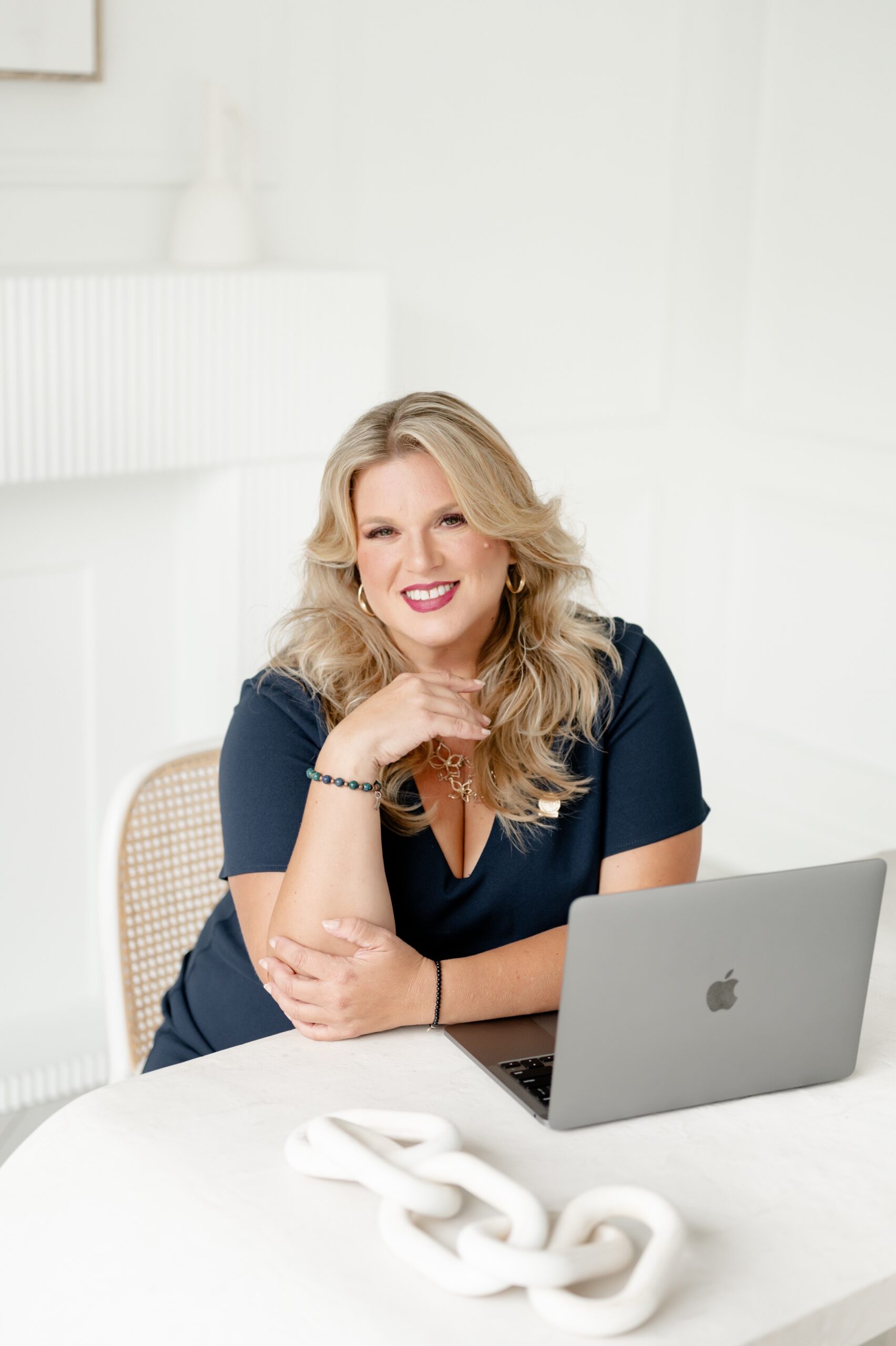
About Danielle Andrews
Danielle Andrews is the Co-Founder and President of The Wedding Planners Institute of Canada (WPIC Inc.) and has been a certified wedding planner for over 25 years. Recognized as one of Eventex’s 100 Most Influential Wedding Professionals, Danielle is dedicated to elevating the standards of the wedding industry through education, mentorship, and professionalism.
She has trained thousands of planners worldwide, planned weddings across the globe, and continues to mentor new professionals to build successful, ethical, and sustainable businesses in the ever-evolving world of weddings.





Leave a Reply