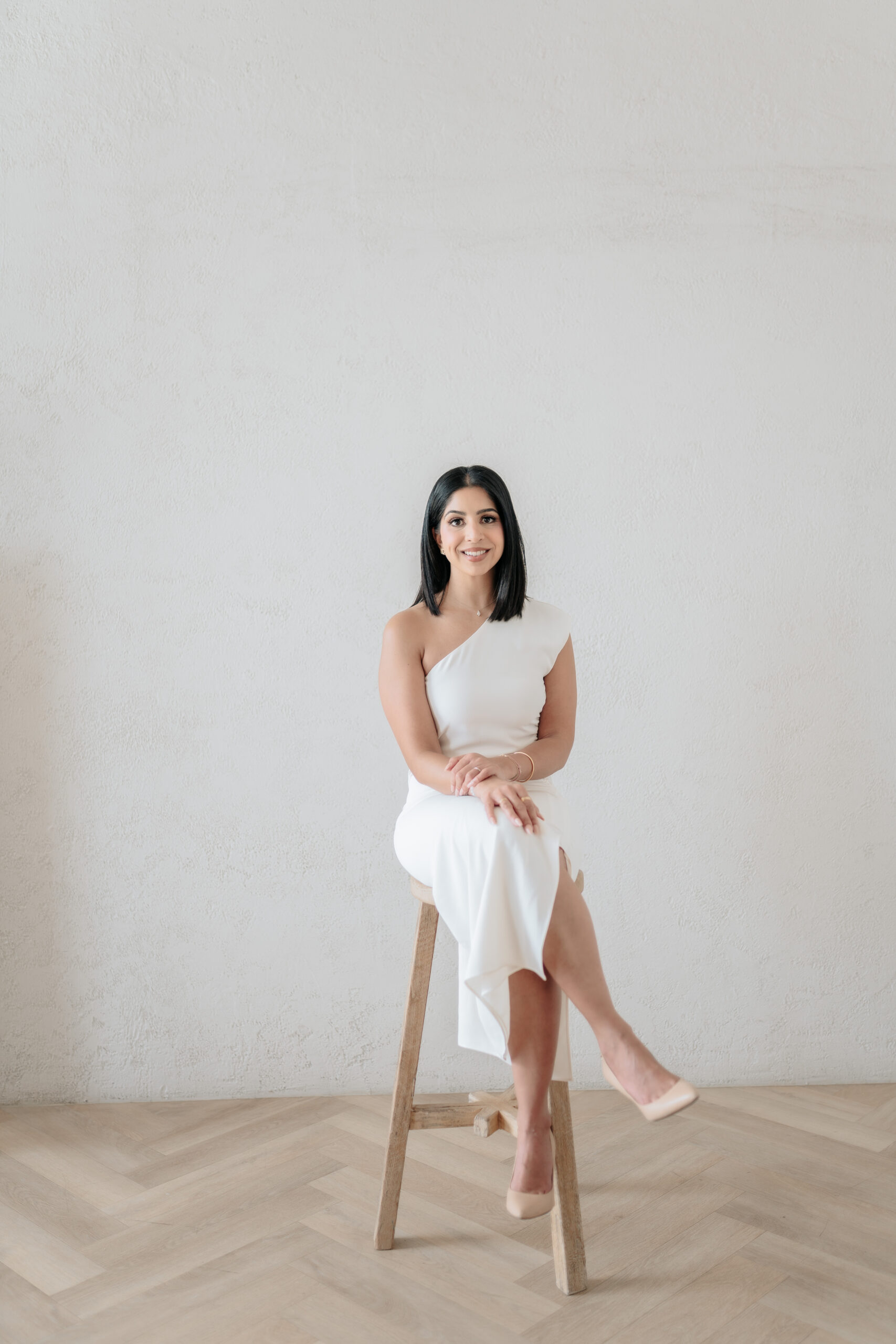
Photo: Timbre Studios
Celebrating a decade of excellence in wedding planning, Dash Events & Co, led by industry expert Sonia Kohli-Tamber, has become a trusted name for beautifully executed, culturally rich celebrations, especially within the South Asian wedding market. As a featured WPIC Planner of the Month, Sonia shares her journey, expertise, and invaluable insights into building a thriving wedding planning business rooted in specialization, strong client relationships, and an unwavering commitment to excellence. Whether you’re an aspiring planner or a seasoned professional looking to refine your niche, this spotlight offers practical advice and inspiration from one of Canada’s most respected planners.

Photo: Banga Studios
Over the past 10 years, how has your approach to planning South Asian weddings evolved, and what has been the biggest learning curve for you?
Over the past decade, my approach to planning South Asian weddings has evolved from primarily focusing on logistics and timelines to delivering a much more personalized, culturally nuanced experience. Early on, the emphasis was on coordinating multiple events and managing large guest counts. While those elements are still essential, I’ve learned that each celebration carries its own unique blend of traditions, family dynamics, and personal priorities that require a more tailored and thoughtful approach.
The biggest learning curve has been mastering the balance between tradition and modernity. Every family observes customs differently, and navigating those variations while honoring cultural significance, and still creating a seamless, contemporary experience requires both sensitivity and creativity. Over time, I’ve learned that success lies in listening closely, asking the right questions early, and building a plan that respects tradition while reflecting the couple’s vision.

Photo: Irvin Sidhu Photography
For planners who want to specialize in South Asian weddings, what foundational knowledge or cultural understanding do you believe is essential before taking on these clients?
To specialize in South Asian weddings, planners need to understand that there isn’t a single, uniform “South Asian wedding.” Differences exist not only between cultures but from family to family. Even within different parts of South Asian countries, traditions vary widely by region, religion, and community, shaping everything from ceremonies to expectations. On top of that, each family interprets these traditions in its own way, so assumptions can quickly lead to missteps. A strong foundation means recognizing the importance of multi-day events, family involvement in decision-making, and the cultural or religious significance behind rituals, while staying flexible and asking thoughtful questions. Ultimately, success comes from cultural awareness paired with genuine curiosity about each family’s unique preferences and values.

Photo: Naman Verma
How do you balance honouring cultural traditions while also incorporating modern or personalized elements for your couples?
Balancing tradition with personalization comes down to understanding what truly matters to each couple and their families, and where there’s room for flexibility. In South Asian weddings, you’re often working with meaningful rituals that carry deep cultural or religious significance, so those should be respected and preserved. At the same time, many couples want to reflect their own personalities or modern lifestyles, which can be woven into elements like décor, music, timelines, or even how certain events are structured. The key is open communication. Asking which traditions are non-negotiable, which can be adapted, and ensuring everyone feels heard, especially when multiple generations are involved. It’s less about choosing tradition versus modernity, and more about thoughtfully blending both in a way that feels authentic to that specific couple and their families.

Photo: Noaza Studios
Looking back at your journey, what advice would you give to emerging planners who admire your work and hope to build a strong, specialized brand like Dash Events?
If I had to give advice to emerging planners, it would be to focus less on “trying to do everything” and more on becoming deeply skilled and trusted in a specific niche. Strong brands are built on cosistency, clarity of style, and a reputation for understnding a very particular client experience.
Invest time in learning the real details behind the weddings you want to serve, especially if you’re working with culturally rich celebrations. That means understanding traditions but also recognizing that every family will interpret them differently. Relationships matter just as much as planning skills, so prioritize listening, asking thoughtful questions, and building trust with both couples and families
Finally, don’t rush your brand identity. Let it develop through real experience. The most respected planners are those who stay curious, adapt with humility, and consistently deliver work that feels both intentional and personal rather than templated.
It’s also important to remember that becoming an established planner doesn’t happen overnight. Patience is essential, you learn like everyone else does, through experience, mistakes, and growth over time. Building trust with couples, vendors, and eventually a reliable team takes years, not months.
Don’t rush the process; the strongest planners are the ones who stay consistent, keep learning, and allow their reputation to develop naturally through real work and real relationships.
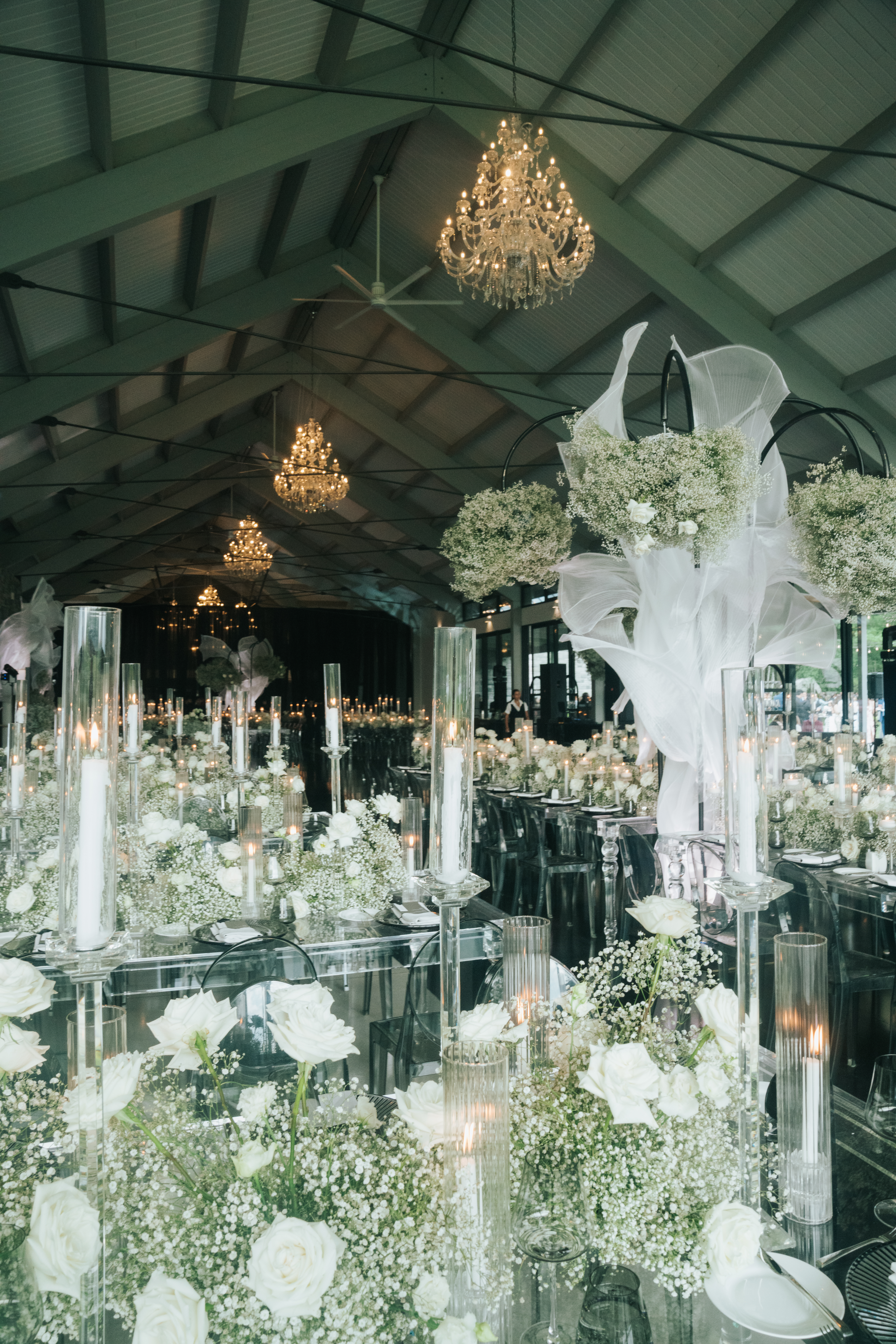
Photo: Koko King Photo
Sonia’s journey with Dash Events is a powerful reminder that success in the wedding industry doesn’t happen by chance, it’s built through consistency, cultural understanding, and a clear commitment to your craft. Her approach to specializing in South Asian weddings, nurturing vendor relationships, and continuously evolving her business offers a roadmap for planners at every stage. As you grow your own career, take these lessons to heart: define your niche, lead with professionalism, and never underestimate the value of experience.







Leave a Reply