
by Danielle Andrews, President and Co-founder of The Wedding Planners Institute of Canada Inc.
If there’s one shift wedding planners must embrace in today’s market, it’s this:
Couples don’t just hire a brand.
They hire a person.
And yet, one of the most common gaps we see in wedding planner marketing is a lack of human presence. Beautiful weddings, stunning details, flawless flat lays, but very little visibility of the planner behind the work.
In a world where couples are researching silently and deciding before they ever inquire, your face matters more than ever.
You Are the Brand
Wedding planning is deeply personal. Couples are trusting you with one of the most emotional, expensive, and meaningful days of their lives.
They want to know:
- Who you are
- How you show up
- Whether they feel comfortable with you
- If you appear calm, confident, organized, and professional
- If they can imagine spending a year (or more) planning with you
Seeing your face builds connection long before the first email is sent.
Why Showing Your Face Builds Trust
There’s a simple marketing truth that applies perfectly to wedding planners:
Being seen repeatedly builds familiarity.
Familiarity builds trust.
Trust drives bookings.
When couples see your face consistently across:
- Your website
- Instagram and social media
- Wedding platforms
- Blogs and articles
- Magazine features
- Interviews and media mentions
…you stop feeling like a stranger and start feeling like a known, credible professional.
By the time they inquire, they already feel like they know you.
The Types of Photos Every Wedding Planner Should Have
A strong visual presence requires more than a single headshot from five years ago. Planners need a diverse, intentional photo library that reflects how they actually work.
1. Professional Headshots
These are non-negotiable.
You should have:
- A clean, classic headshot (neutral background)
- A slightly more relaxed lifestyle-style headshot
- Horizontal and vertical options
- Images suitable for media, speaker bios, and publications
These photos are often requested last minute by magazines, podcasts, conferences, and media outlets — and you need to be ready.
2. Branding Photos
Branding photos tell your story beyond your face.
These can include:
- You working on a laptop or tablet
- Reviewing timelines or floor plans
- On the phone with clients
- At a desk or café
- Walking into a venue
- Flat lays with your tools (notebooks, phone, coffee, florals, clipboard, etc.)
These images humanize your brand and give couples insight into your process.
3. Wedding Day “In Action” Photos
These are some of the most powerful images you can use.
Examples:
- You fluffing a dress
- Managing a timeline
- Giving instructions to vendors
- Calmly handling a situation
- Walking a couple through logistics
- Holding a clipboard or radio
- Fixing details
These photos visually communicate leadership, professionalism, and experience, often better than words ever could.
4. Media-Ready Photos
If a magazine, podcast, or media outlet reaches out for an interview, they will ask for:
- A high-resolution headshot
- A short bio
- Sometimes a lifestyle or action image
If you don’t have these ready, opportunities can be delayed or lost entirely.
Professional imagery positions you as an expert worth featuring.
How These Photos Help You Book More Clients
Strong personal imagery allows you to:
- Build trust faster
- Show confidence and authority
- Appear established and credible
- Create emotional connection
- Stand out from planners who remain invisible
- Feel more comfortable showing up on video
- Be recognizable across platforms
Couples don’t just want to see what you do, they want to see who is doing it.
How Often Wedding Planners Should Update Their Photos
A good rule of thumb:
- Headshots: every six months to a year
- Branding photos: every year
- Wedding day action shots: ongoing
Any time your:
- Brand evolves
- Pricing increases
- Target client changes
- Style shifts
- Confidence grows
…it’s time to update your visuals.
Your photos should always reflect the planner you are now, not the planner you were years ago.
Where and How to Use These Photos
Once you have them, use them everywhere:
- Website homepage and About page
- Instagram feed and Stories
- Reels and video thumbnails
- Wedding platform profiles
- Blog author photos
- Media kits
- Speaking engagements
- Press features
- Email newsletters
Consistency across platforms reinforces recognition and trust.
Common Mistakes Planners Make
- Only posting weddings, never themselves
- Using outdated headshots
- Avoiding the camera altogether
- Relying on low-quality phone images
- Not having images ready when opportunities arise
Visibility is not vanity, it’s strategic.
Final Thought
Wedding planners are no longer hired solely based on referrals or price lists.
They are chosen through repeated exposure, perceived expertise, and emotional connection.
Putting your face out there isn’t about ego.
It’s about clarity, confidence, and connection.
When couples can see you, recognize you, and feel like they already know you, trust is built before the first conversation ever happens.
And in today’s wedding industry, trust is everything.
Want some tips on how to create a branding session? Read this: How to Plan Branding Shoot
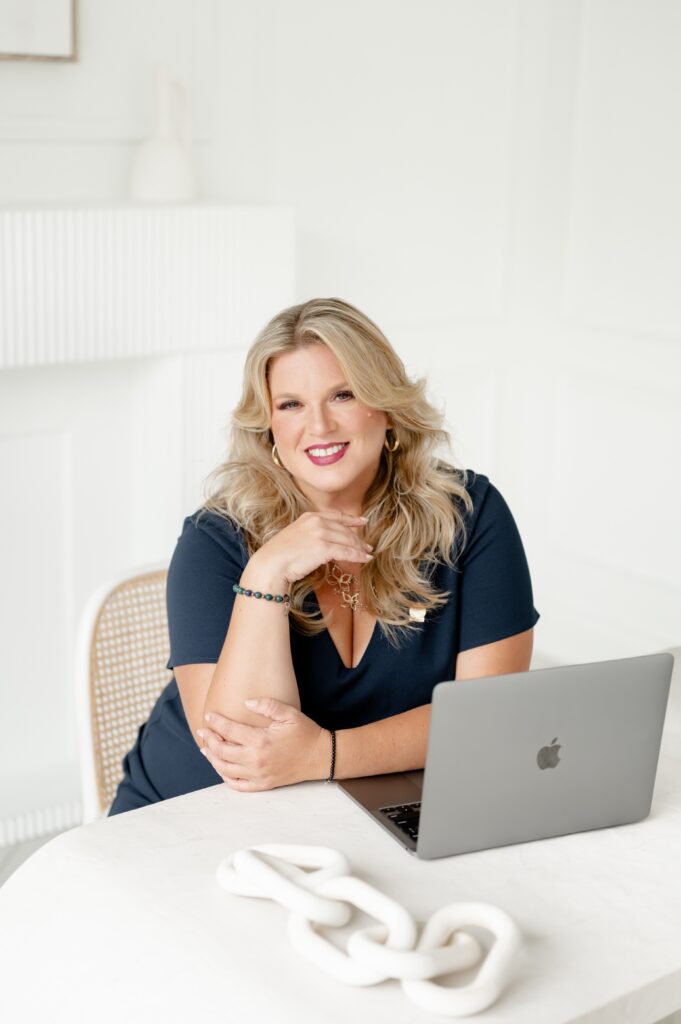
About Danielle Andrews, BA, WPICC
Danielle Andrews is the Co-Founder and President of The Wedding Planners Institute of Canada (WPIC Inc.) and has been a certified wedding planner for over 25 years. Recognized as one of Eventex’s 100 Most Influential Wedding Professionals for 2025, Danielle is dedicated to elevating the standards of the wedding industry through education, mentorship, and professionalism. She has trained thousands of planners worldwide, planned weddings across the globe, and continues to mentor new professionals to build successful, ethical, and sustainable businesses in the ever-evolving world of weddings.







Leave a Reply